- 材の名前
- sugi
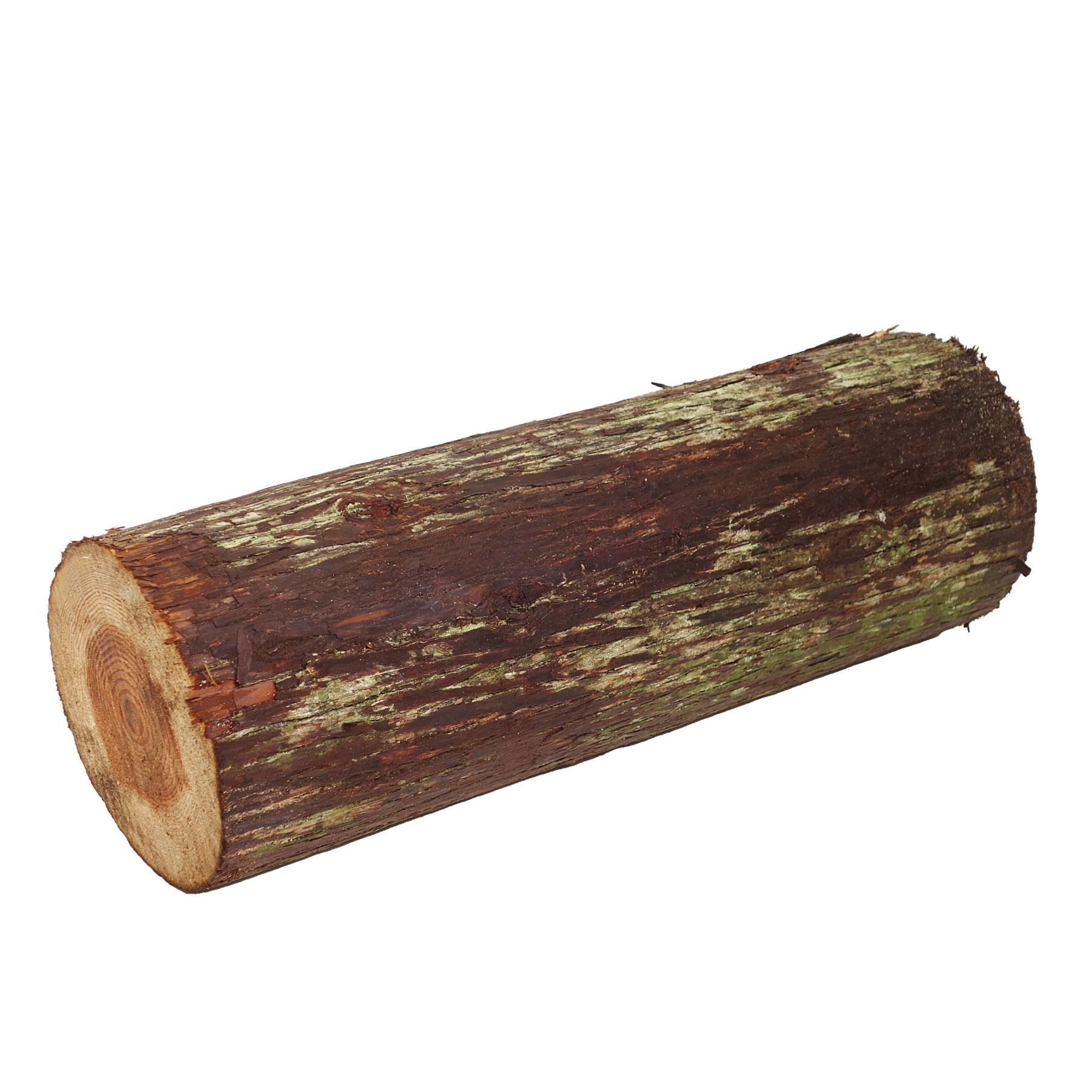
Along with hinoki (Japanese cypress), sugi is one of the most accessible woods in satoyama. They are often seen planted near valleys and other moist areas. Sugi grows thick quickly, and we have seen it used locally not only for building materials but also as material for beehives. When used as exterior siding, three boards are sometimes erected like a chimney, with a fire burning inside to char one side, creating what is known as yakisugi.
As a material, its low density makes it easy to process, and knot-free sections are also easy to split. It can be imagined that before the proliferation of machines, splitting was much more efficient than cutting it with a saw. The wood split along the grain is shiny and durable because it does not break down the cells, making it difficult for water to penetrate, providing an excellent practical advantage.
As a timber, sugi has a distinct appearance with a reddish heartwood and whitish sapwood that form a clear boundary, and its grain is well-defined. Occasionally, one may encounter sugi logs with heartwood that is a deep, almost black color, though the conditions under which this occurs are unknown.